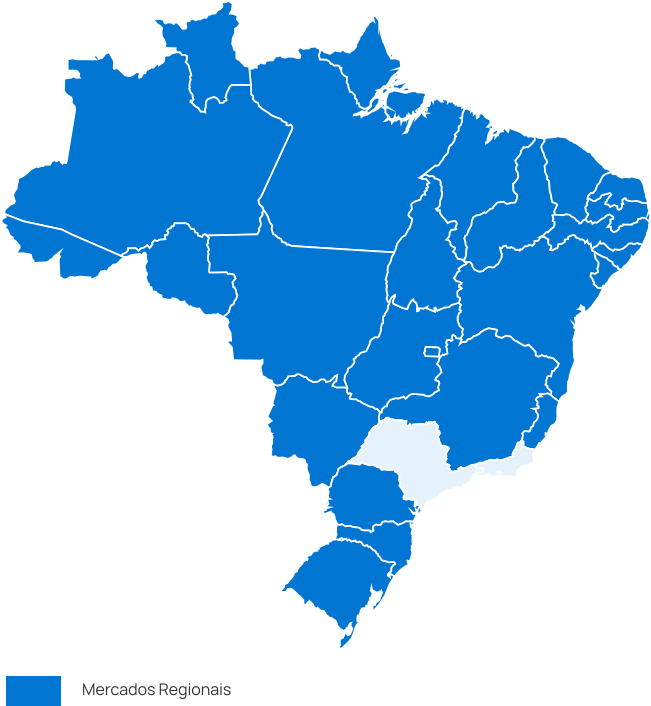
Regional Markets
Economic Highlights of Regional Markets
Population
Source: IBGE, 2024
70%
GPD
Source: IBGE, 2024
60%
Energy generated
Source: IBGE, 2024
84%
Territorial area
Source: IBGE, 2024
96%
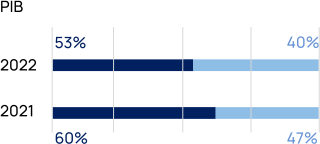
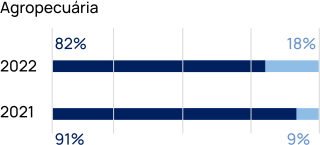
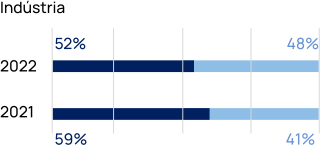
The Rio de Janeiro-São Paulo axis has been losing its share of the national GDP, while regional markets are gaining ground and growing more in all major sectors of the economy.

Carbyne drives value for investee companies in Regional Markets
 Strategic direction
Comprehensive for our business, helping to define strategic priorities and align the objectives of each project with the best market practices;
 Access to the relationship network
Connecting companies and entrepreneurs with important stakeholders and appointing qualified executives to work directly in the business;
 Capital solutions
They are made available to improve the financial structure of companies, including renegotiation of liabilities, access to alternative sources of financing under favorable conditions and advice on M&A operations and new investment rounds;
 Institutional and marketing positioning
Using synergy with Apex's Research area to strengthen the image and market presence of invested assets.
Private Markets as a lever for growth
Private Markets: the main lever for value creation in Brazilian regional markets
Galpão Wine, Serra, ES - Brazil. Largest wine club and wine importer in Brazil.


Better risk-adjusted returns than public markets, including when compared to listed companies.

More options of companies and sectors to invest in because most companies operating in the real economy are not publicly listed;